Keyless Entry: What Busy Edmonton Families Gain with Smart Lock Installation
What keyless entry means for your household
Keyless entry has become a practical upgrade for many Edmonton families juggling work, school drop-offs, and after-school activities. Instead of fumbling for keys while holding groceries or a sleeping child, you tap a code on a keypad or use your phone. The convenience is real, but understanding how smart lock installation works and what it actually changes matters before you decide to switch.
Smart locks replace the traditional cylinder and key mechanism with an electronic system that controls the deadbolt. The lock still uses a standard deadbolt and strike plate, so the physical security remains familiar. What changes is how you unlock it. You use an access code, a smartphone app, or sometimes a fingerprint. The lock itself mounts on the same door prep as a conventional lock, which means upgrading does not require replacing the door or the frame.
For a family running between hockey practice and piano lessons, the ability to let a neighbour in to feed the cat or let a repair person enter while you are at work removes a layer of scheduling stress. You assign a temporary code, set it to expire after a few hours, and never hand over a physical key that could be copied or lost. A residential locksmith Edmonton can advise on which models pair well with your existing deadbolt and whether your door needs any modifications. That professional fit ensures the lock sits flush, the strike plate aligns correctly, and the electronics work reliably through Edmonton's cold winters.
How smart locks actually work
A smart lock contains a small motor that turns the deadbolt when it receives the right signal. The signal can come from a keypad on the lock itself, from a smartphone over Bluetooth or Wi-Fi, or from a hub that connects to your home network. Many models also retain a traditional key cylinder as a backup, so you are never locked out if the batteries die.
The lock communicates with an app that lets you create and delete access codes, check who came and went, and receive alerts when the door opens. Some systems integrate with voice assistants or home security panels. The core mechanism - the deadbolt and strike plate - is the same hardware that has kept doors secure for decades. The electronics add a layer of control that a standard key cannot offer.
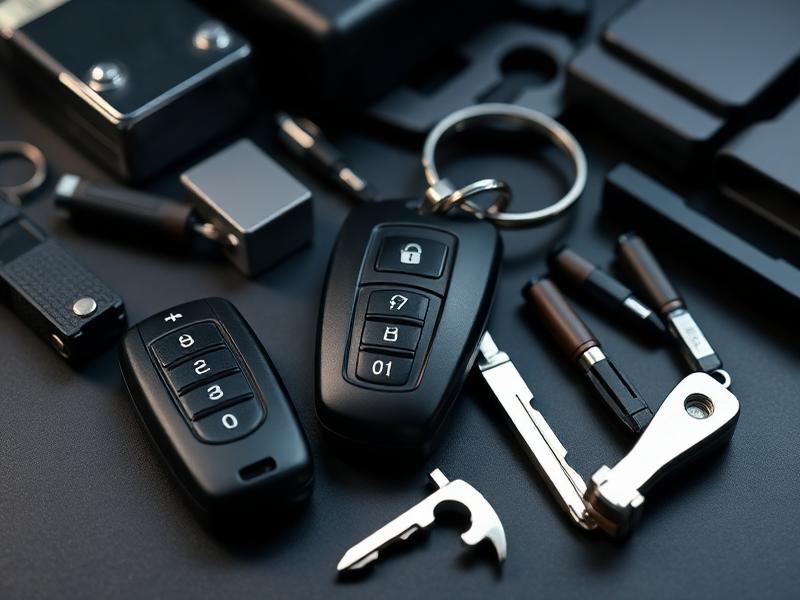
One concern people raise is battery life. Most smart locks use four AA batteries that last six months to a year depending on usage and weather. Cold temperatures drain batteries faster, so Edmonton winters can shorten that window. Quality locks give you low-battery warnings through the app and often through a light or sound on the keypad. Changing the batteries takes less than a minute and does not require removing the lock from the door.
What changes for your daily routine
Once the lock is installed and programmed, the biggest shift is how you think about access. You no longer need to carry a key for that door, though keeping the backup key somewhere safe is wise. Kids can memorise a code instead of keeping track of a key they might lose. You can let in a dog walker or a cleaner without being home, and you can revoke that access the moment the job is done.
That flexibility is especially useful for families with teenagers who come and go at different times. You can set each family member their own code and see exactly when they arrived home. If someone forgets to lock the door, many smart locks can auto-lock after a set time. That feature alone saves a lot of back-and-forth.
There is also the matter of emergency access. If a family member loses their phone or forgets the code, the backup key or a master key override gets them in. Some locks let you create a one-time use code that works only once and then expires. That is handy for letting in a neighbour during an emergency without giving them permanent access.
Matching the lock to your door and your life
Not every smart lock fits every door. The thickness of the door, the backset (the distance from the edge to the centre of the bore hole), and the condition of the existing deadbolt all matter. If your door has a standard bore hole and a working deadbolt, installation is usually straightforward. Older doors or those with non-standard prep may need a bit of work from a residential locksmith Edmonton to ensure everything lines up. A misaligned strike plate or a loose fit can cause the lock to bind, drain batteries faster, or fail to latch properly.
Beyond fit, think about how the lock communicates. Wi-Fi locks connect directly to your home network and let you control them from anywhere. Bluetooth locks only work when you are within range, unless you add a bridge or hub. Z-Wave or Zigbee locks need a compatible hub but often integrate well with existing security systems. The choice depends on whether you want remote access or are fine with local control.
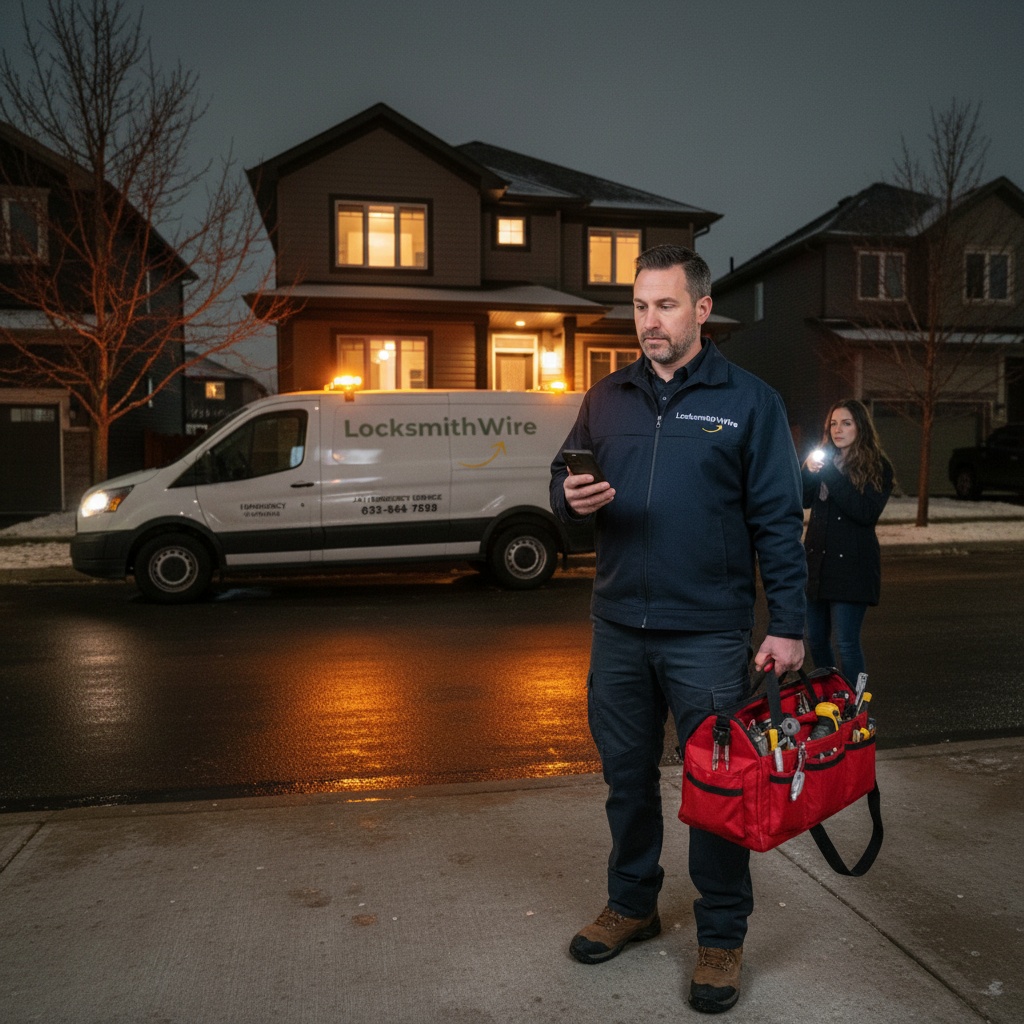
Battery life, weather resistance, and ease of use also vary by model. Look for locks rated for outdoor use with a weather seal on the keypad. Edmonton's freeze-thaw cycles can cause moisture to get into electronics, so a sealed keypad and a robust gasket help prevent failures. Some locks offer a backup power option - a 9V battery you hold against the lock if the main batteries die. That is a nice safety net.
Security trade-offs worth knowing
Any electronic device introduces a new attack surface. Smart locks are generally secure, but they rely on software and wireless signals. Manufacturers regularly release firmware updates to patch vulnerabilities. Keeping the lock's firmware current is important, just as you update your phone. Most apps notify you when an update is available and walk you through the process.
Physical security remains the same as a good deadbolt. The lock's cylinder, if it has one, should be pick-resistant and bump-resistant. The strike plate should be secured with long screws that reach into the door frame, not just the trim. That advice applies to any lock, smart or not. A locksmith can reinforce the strike plate and check that the door frame is solid. If someone can kick the door in, the lock's electronics do not matter.
Another consideration is what happens if your phone is lost or stolen. Most apps require a password or biometric authentication before they let you control the lock, so a thief cannot simply open the app and unlock your door. You can also log into the lock's web portal from any device and delete that phone's access immediately. That is far faster than having to rekey your home if you lose a physical key.
What installation involves
Smart lock installation can be a DIY job if your door has a standard deadbolt and you are comfortable with a screwdriver. The process usually involves removing the old deadbolt, installing the new latch and strike plate, mounting the keypad or touchscreen on the outside, and attaching the interior unit that holds the batteries and electronics. Most manufacturers include clear instructions and all necessary hardware.
That said, there are cases where professional installation saves time and prevents headaches. If the door is not perfectly square, if the existing deadbolt has a non-standard backset, or if you want the lock integrated with an existing security system, a locksmith can handle the details. They also ensure the lock is properly aligned so it does not bind as temperatures change. A lock that binds in winter may stop working or drain batteries trying to turn the bolt.
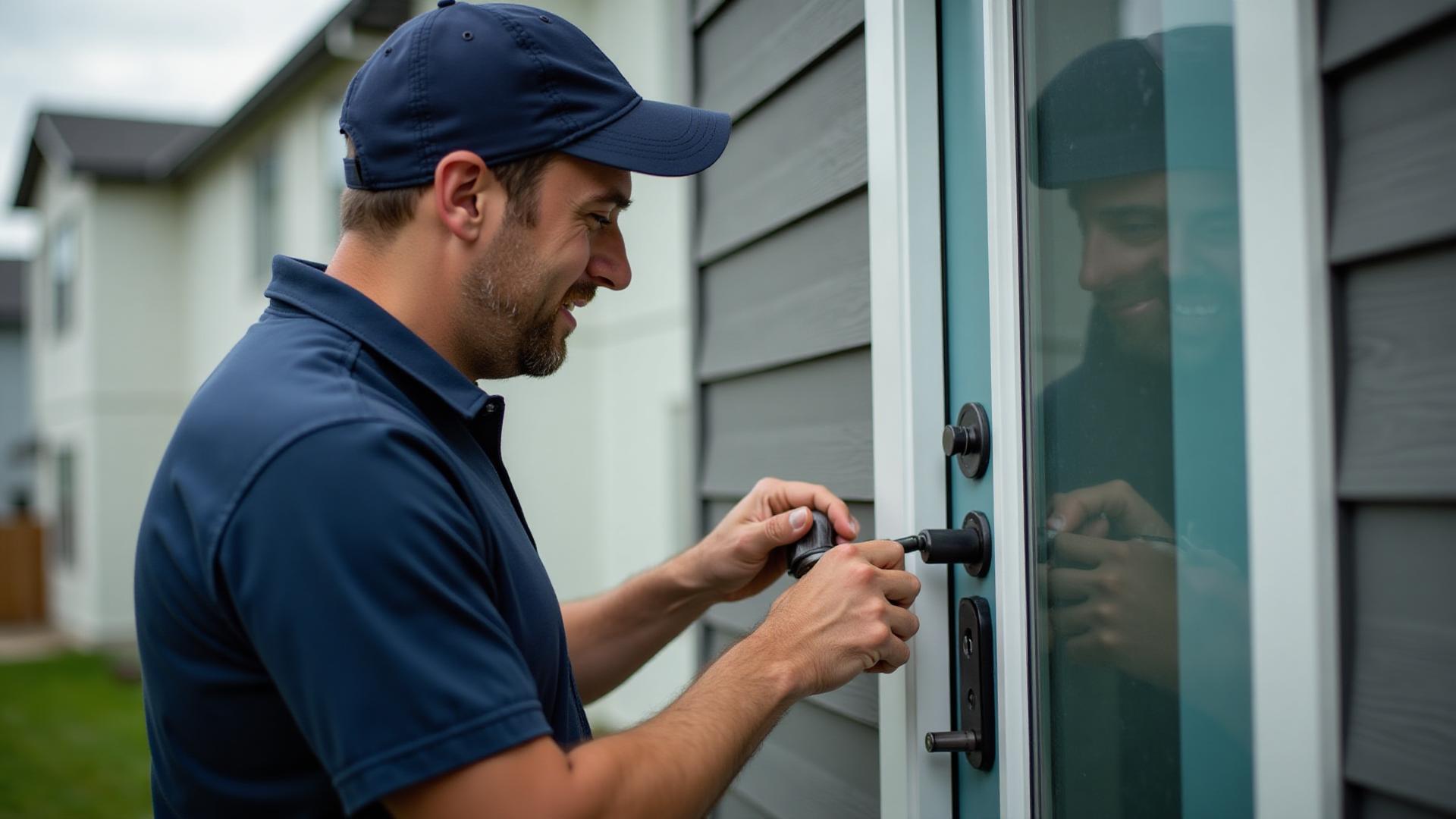
After installation, you set up the app, create user codes, and test the lock from both sides. Most locks have a calibration step that teaches the motor how far to turn to fully extend or retract the bolt. Skipping that step can cause the lock to think the door is locked when it is not. The app guides you through it.
Making the switch
Moving from keys to codes takes a day or two of adjustment. You will find yourself reaching for a key that is no longer there. After that, the convenience becomes routine. No more standing in the rain searching for the right key. No more worrying whether your teenager lost theirs. No more hiding a spare under the mat.
For Edmonton families where every minute counts, keyless entry removes a small but constant friction point from the day. The technology is mature enough to be reliable, and the security is on par with a good traditional lock when installed properly. Whether you install it yourself or call a professional, the upgrade is about making your home work a bit better for the people who live there.